Just 6 weeks to go in my Story of a Sassy Snake Writing Competition!
February 25, 2025 at 6:37 pm | Posted in Challenges and activities, Clever Competitions, The Tale of Sybil Snake, The Year of the Snake, Writing competitions for kids | Leave a commentTags: Clever Competitions, The Tale of Sybil Snake, The Year of the Snake, Writing Challenges for Kids

Hello all you brilliant primary school-aged writers out there! This is a quick reminder that there are less than six weeks to go to enter your story into my latest Clever Competition! It’s a really fun one, with ingredients including an evil Emperor, a sad spider and a mighty flood! Not to mention a splendidly sassy snake…just like my Sybil Snake! So click on the competition link and get those creative juices flowing! I can’t wait to read your story!
The fascinating Chinese history behind The Tale of Sybil Snake!
February 17, 2025 at 9:09 pm | Posted in Inspiration for my stories, The Tale of Sybil Snake, The Year of the Snake | Leave a commentTags: astrology, China, Chinese Zodiac, history, news, Stories about Chinese history for kids, Stories about Chinese Zodiac, Stories about snakes, The Chinese Calendar Tales, The Tale of Sybil Snake, The Year of the Snake
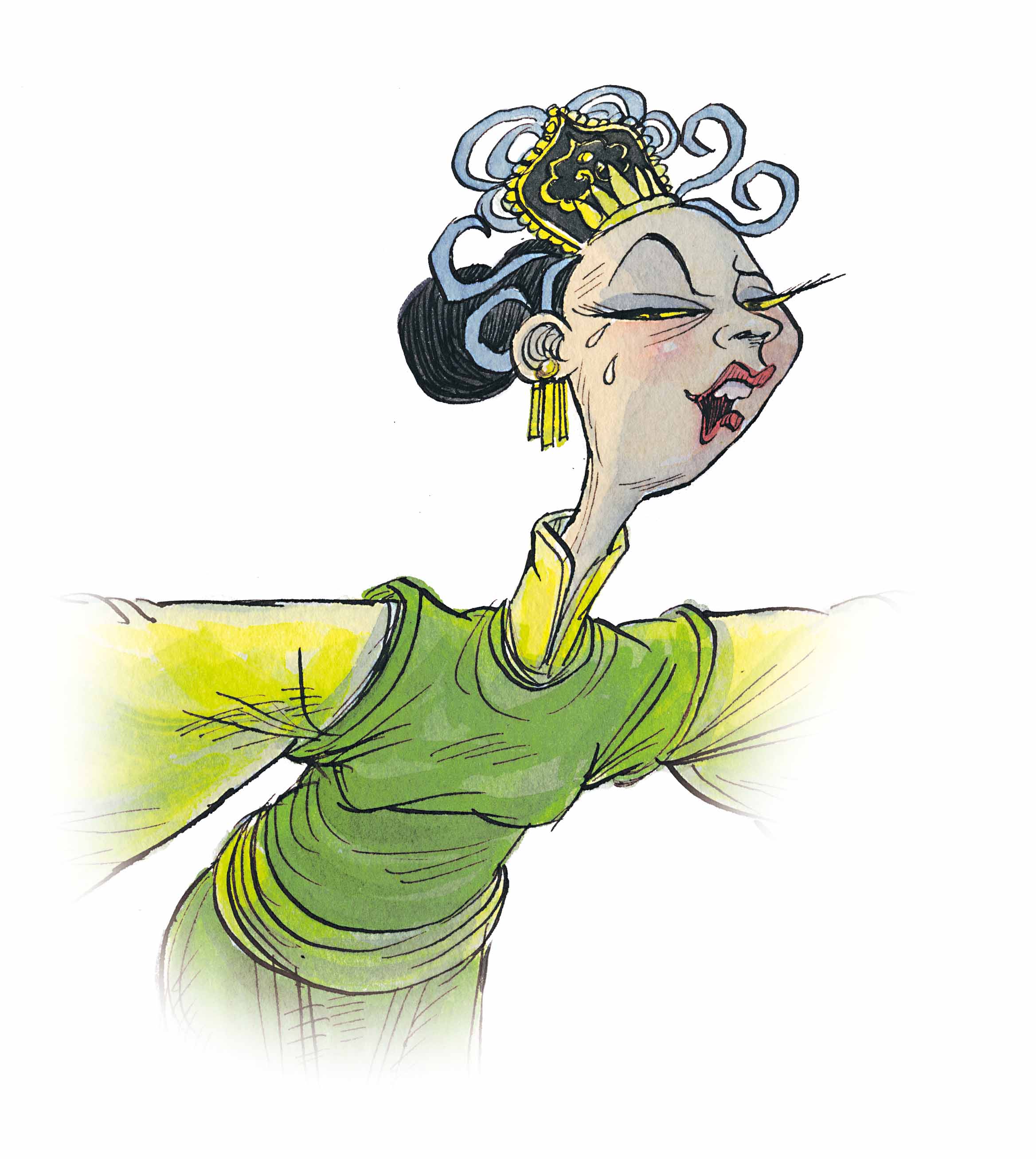
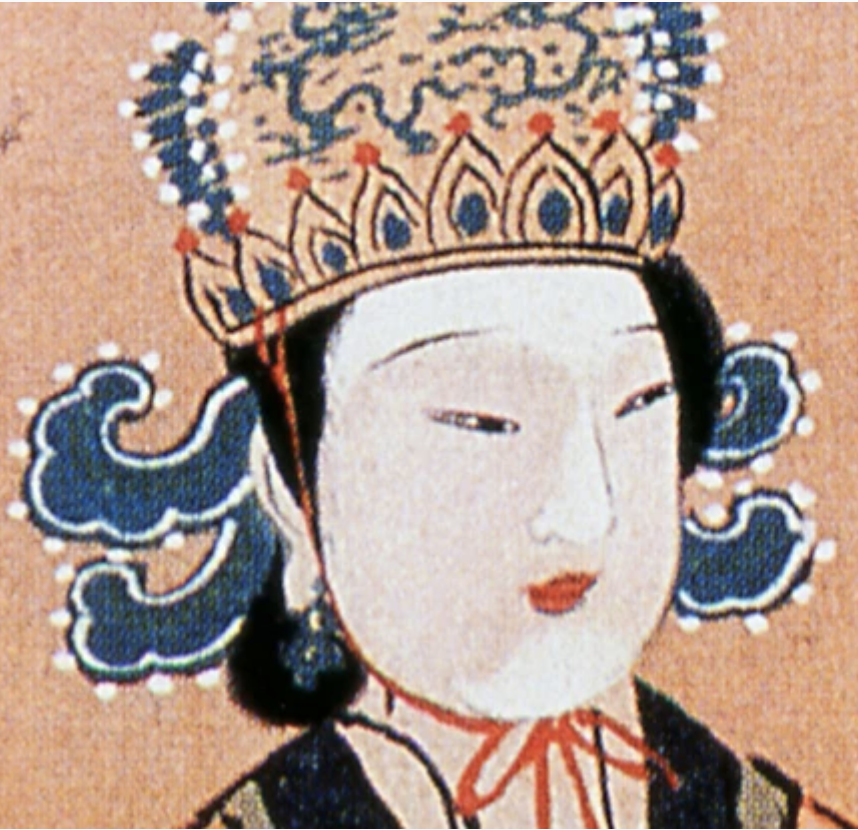
In a recent post, I told you all about the famous Legend of Lady White Snake, in which a beautiful white snake transformed herself into a human being in order to marry the man she loved. When I first read about this legend, I spied a footnote at the bottom of the page which said that, in the past, many Chinese scholars believed that a famous Chinese Emperor called Wu Zetian was the reincarnation of Lady White Snake! So of course, I had to do some more research – and what I found out was fascinating! It also inspired some of the story in The Tale of Sybil Snake!
Wu Zetian was born into a minor noble family in 624AD, and was so renowned for her charm, beauty and intelligence that she became one of the concubines of the old Emperor, and after he died, the young Emperor Gao Zong. She gradually worked her way to the top, replacing even the young Emperor’s first wife. Then, when the Emperor suffered a stroke, she took over the administration of the court, removing anyone who opposed her. After the Emperor died, she refused to allow her two eldest sons to rule, moving her weakest third son into power so that she could control him. Finally, she forced him to resign, and declared herself Emperor of China – and if you called her Empress or anything other than Emperor, you were in big trouble!
In spite of her ruthless climb to power, she was an excellent ruler of China for forty years, replacing the military ruling class with scholars, elevating women in politics and society, lowering taxes on the peasants and improving public works. She also, famously, replaced the official state religion of Daoism with Buddhism (which regarded men and women as equal). But after she died, the Confucian scholars who had been sidelined by Wu Zetian returned to the court with a vengeance, and tarnished her record with tales of terrible cruelty…including, apparently, that she was the reincarnation of a Snake! Interestingly, the first story about Lady White Snake emerged in the Tang Dynasty, where the snake was described as an “evil demon”.
Whatever the truth of the matter, a woman who could rise to the very top of imperial China, at a time when women were universally regarded as inferior to men, must have been extraordinary!
And in The Tale of Sybil Snake, you will discover a mysterious woman who rules China long and well after her husband, the Emperor, and their little son disappears…I wonder whether she had anything to do with Sybil Snake? Shhhhhhhhhhhhh!
The famous legend that inspired The Tale of Sybil Snake!
February 8, 2025 at 12:41 am | Posted in Children's Chinese Zodiac Books, Chinese legends | Leave a commentTags: mythology, snakes, Stories about Chinese Zodiac animals, Stories about snakes, The Legend of Lady White Snake, The Tale of Sybil Snake, The Year of the Snake
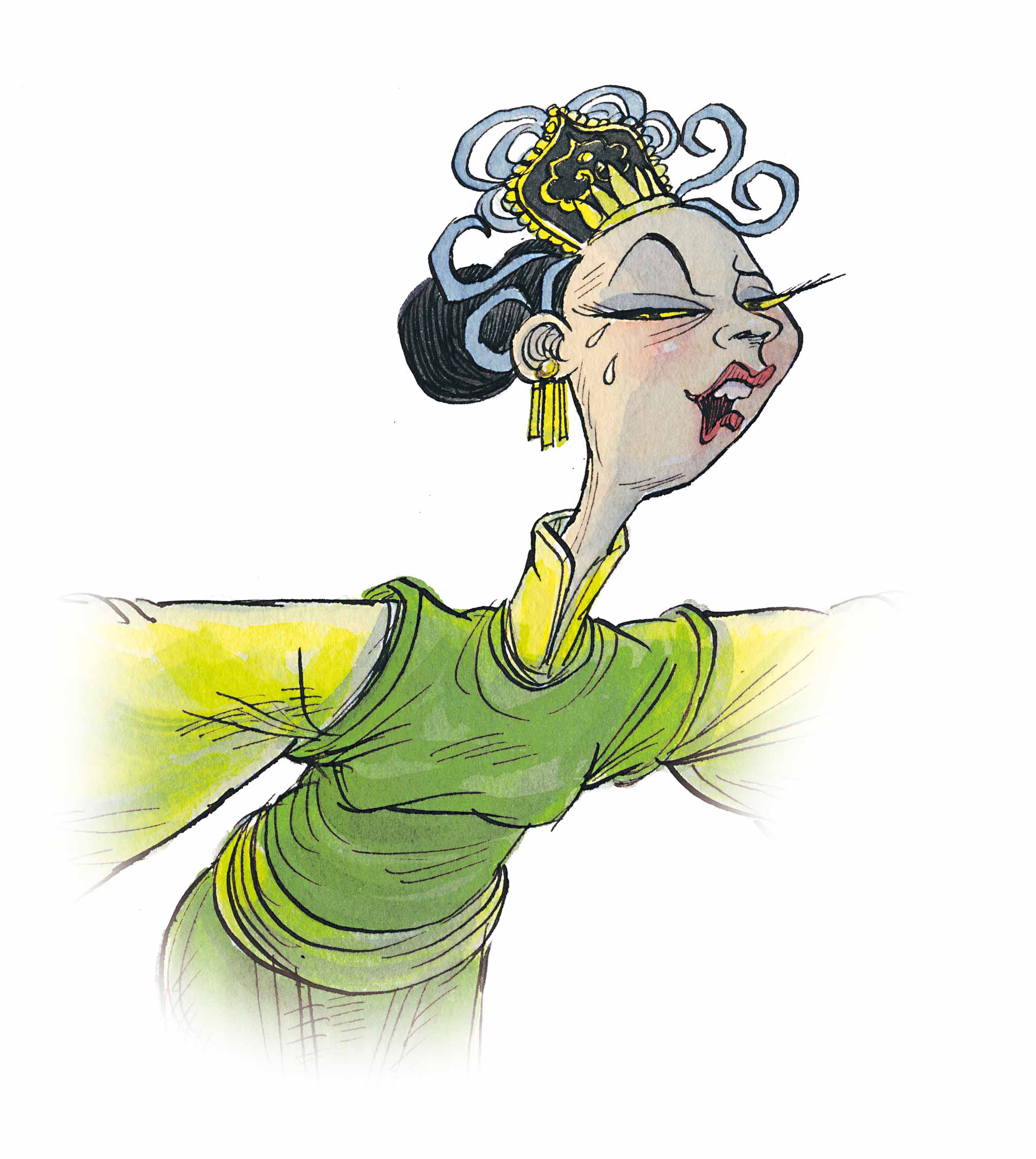
Some years before writing The Tale of Sybil Snake, I came across a famous Chinese folktale called The Legend of Lady White Snake, renowned as one of the four great folk tales of China. There are many versions of this tale, dating as far back as the Tang Dynasty.
My favourite tells of a beautiful, immortal, snow-white snake who frequented the shores of the West Lake in Hangzhou, a gorgeously scenic place where the Emperors used to take their holidays. One day the snake met a handsome young Chinese scholar, falling deeply in love with him. But he did not return her love, until she transformed herself into a beautiful woman. Then they married and happily settled down to run a Chinese medicine shop together. One day, a vengeful Buddhist monk, who was also immortal, and had been beaten in battle by the snake many years earlier, told the young man that his wife was really a snake. The poor husband refused to believe this, until the monk persuaded him to give his wife a magic potion at the time of the Dragon Boat Festival. After drinking the potion, the wife turned back into a snake, and the husband, in shock, fell into a deadly coma. The snake rushed to the mountains to find secret herbs to cure her husband, but the monk chased her there, and fought her, overcoming her this time because she was pregnant with the couple’s first child. She was locked up in a pagoda by the West Lake, but finally freed by her son, who, having escaped the pagoda when he grew up, came to his mother’s rescue. Lady White Snake and her husband (who fortunately seems to have recovered) lived happily ever after by the West Lake.
I wonder if you can pick the similarities between this wonderful folk tale and The Tale of Sybil Snake?
Even better, can you think of a famous Hans Christian Andersen story which also sounds quite a bit like The Legend of Lady White Snake?
If you can, why not let me know by posting a comment (see link above) – but remember to ask a parent for permission first!

Blog at WordPress.com.
Entries and comments feeds.
 Sarah Brennan Funny & Fabulous Blog